
A – B – C – D – E – F – G – H – I – J – K – L – M – N – O – P – R – S – T – U – V – W – Z

Paris, Roland (1894 – 1945)
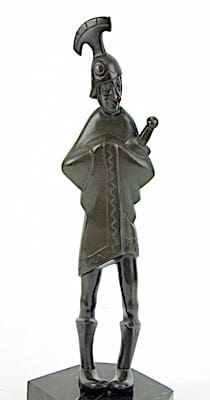
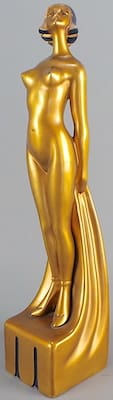
Born in Vienna to an artistic German family. Trained under Van de Velde. Served in the first world war and then moved to Berlin to train as sculptor.
He worked in various materials – lithography, wood, painting, bronze and ivory, bronze, ceramic and spelter. His pieces tend to be comical and satyrical.
“Roland Paris does not fall into the usual category of Art Deco decorative works. His art cannot be categorised as decorative nor pleasing to the eye. On the contrary, it is full of criticism of society. He lived and worked in Berlin during the interwar period. Critical of the Fascist era in which he lived, he always cleverly avoided censorship. His subjects were grotesque, vivacious and above all caricaturesque. The media in which he worked – sculpture, paintings, woodcuts, porcelain and prints – were as varied as his subjects – dancers, mayors, judges and kings. However by far his most frequent characters were jokers, jesters and devils. He admired the downtrodden, the underdog and the out-of-place characters. Don Quixote, The Flying Dutchman and the Tale of the Frog Prince are some of the subjects that fascinated him” A quote from the book Roland Paris; The Art Deco Jester King by Alberto Shayo.
Perl, Karl
Born in Liezon Austria on 3 March 1876. He studied under Hellmar, Zumbusch and Kundmann and worked as a sculptor of figures, busts bas-reliefs and medals and medalions in Vienna. Designed wall masks for Goldscheider and Keramos.
Peleschka, Lunard
worked mainly in bronze and ivory in Austria from 1900 – 1930’s, and it is highly possible that this was a pseudonym used by Ferdinand Preiss.
Petty, George (1894 – 1975)
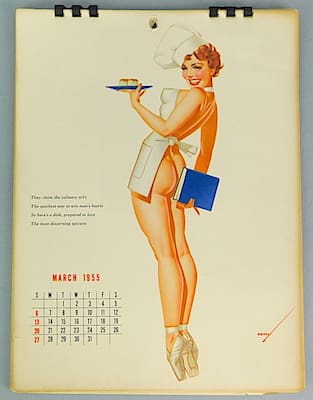
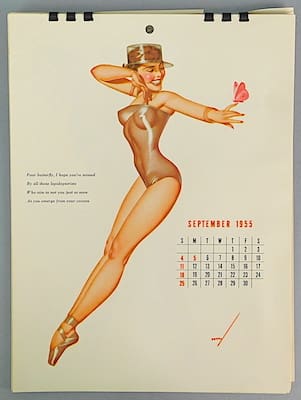
George Petty was a very famous American pin up artist. Son of a photographer (also George Petty) he lived and studied in Chicago. Studied at the Chicago Art Institute and the Academy Julien in Paris (famous students such as Alfonse Mucha and Matisse).
Petty’s success was mainly due to his talent in using the airbrush technic of painting. His first work was for the Marshall Field catalogue in the 1920’s. He won first prize for his poster for the Chicago Worlds Fair in 1933.
He produced a cartoon for Esquire magazine called the Petty Girl which proved to be very popular and this led to the famous Petty pin up girls and calendars for the same magazine. It seems that Petty became famous almost overnight. He had a falling out with Esquire over money and the commission of pin ups and calendar girls was then taken over by Alberto Varga – known as the Varga girls.
He made a return to Esquire with a new calendar in 1955 and produced a famous calendar for Ridged Tools in 1953. He also designed the car mascot for Nash automobiles in 1954 and 1955.
Perzel, Jean (1892 – 1986)
Interior lighting designer and artist who worked in Paris from about 1910 and was famous for his modernist art deco lighting. In 1923 he started to exhibit at salons, including the Salon D’Autumn, the Salon des Artistes Decorateurs and at many special events in and around Paris. Commissioned for many lighting projects including famous monuments including the Cathedral of Luxembourg and the Mulhouse Train Station. His workshop produced numerous models of chandeliers, floor lamps and sconces in modernist styles. The company is still running today.
Peyre, Rapheal Charles (1872 – 1949)
Born in Paris, studied under Alexandre Falguière, Antonin Mercié and T. Barrau, some of the foremost 19th century sculptors. Exhibited statues and paintings at the Salon des Artistes Francais around the turn of the century, winning an honourable mention in 1894, a third class medal in 1902 and a travelling scholarship in 1903. Famous mainly for his beautiful portrayal of children subjects.
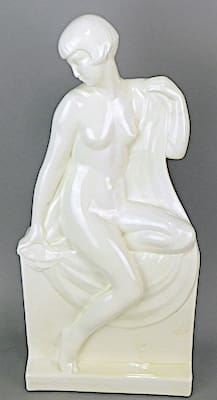
Philippe, Rene Abel
French sculptural artist, working in France during the deco years.
Most of his work was produced by the Lehman foundry.
Worked mainly in bronze and bronze and ivory.
Not to be confused with Paul Philippe who was working at the same time.
Philippe, Paul (1870 – 1930)
Statuary artist – student of Larant and Larroux, his most famous sculpture was ‘Awakening’. Widely exhibited at many of the Paris salons. Many of his pieces were produced by the Goldscheider foundry. Did work with Rosenthal, Goldscheider and Preiss Kessler.
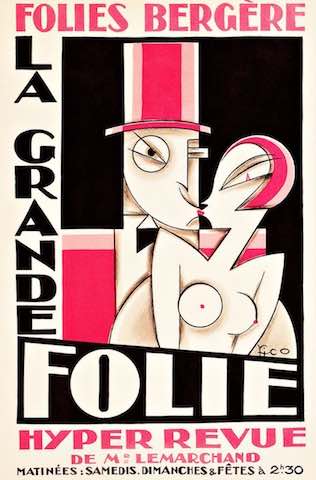
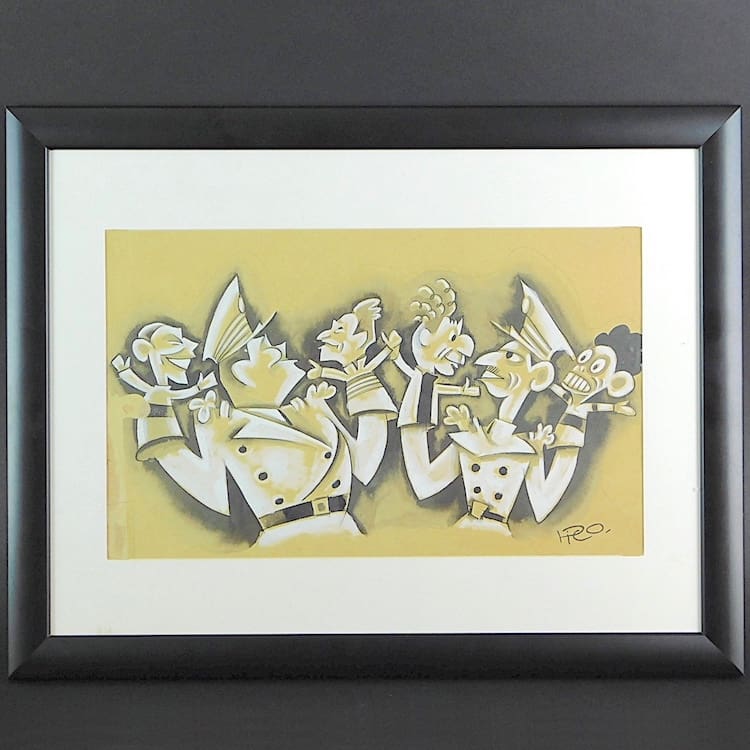
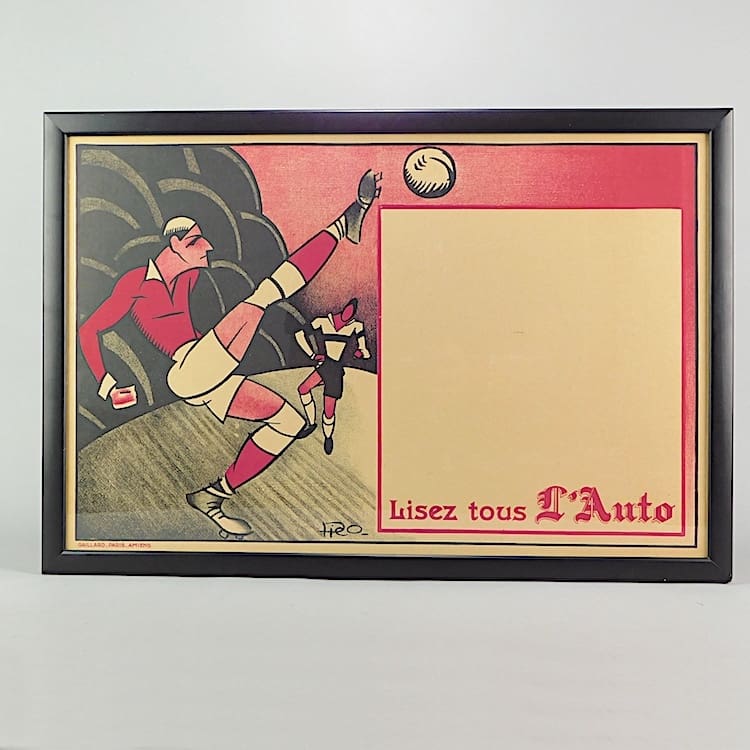
Picaud, Maurice (Pico) (1900 – 1977)
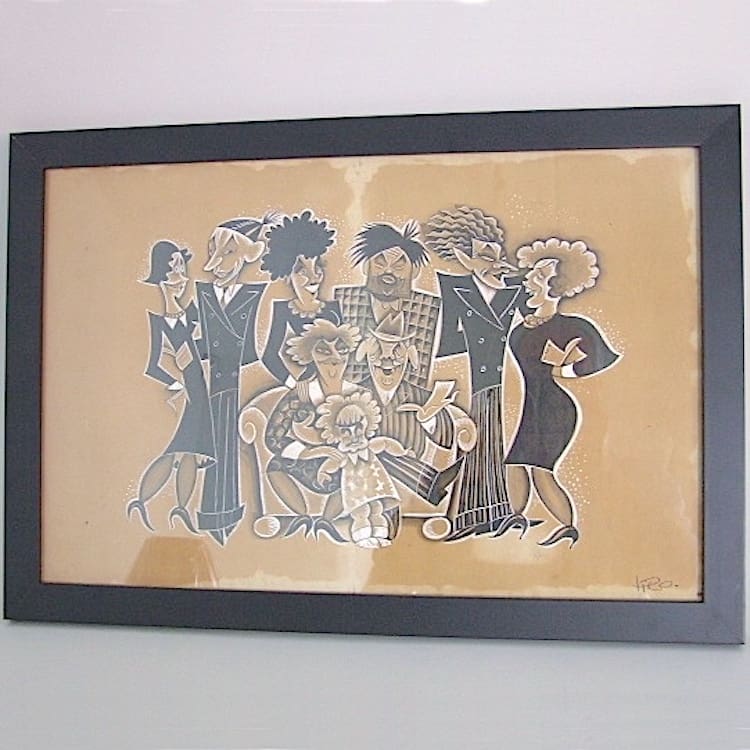
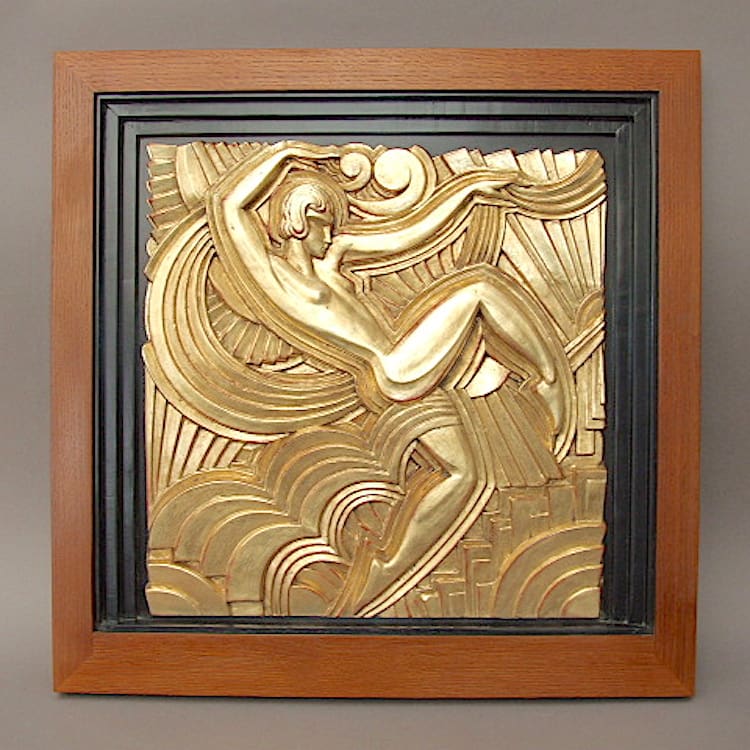
Also signed his name as Maurice Pico or Pico, his real name is Maurice Picaud and he was a French, multi talented architect, designer and painter. He trained at the Ecole Boulle and worked for the Ruhlmann furniture company, and also distinguished himself as a newspaper cartoonist putting his talent to among others, Science and Life, Sports, Auto, Le Matin, etc. Some of his creations, typical of the Art Deco period are visible to all, like the dancing lady facade over the entrance to the Folies Bergeres building in Paris which depicts the dancer Lila Nikolska, who posed for the sculpture, and the murals inside the Hotel de Ville and the Council Chamber of Montdidier (Somme).
I have a separate page with more information about Maurice Picaud and specifically – the Pico Plaques here.
Pillet, Charles Philippe Germain Aristide (1869 – 1960)
Born in Paris, he was pupil to Chaplain and Chapu and received the Grand Prix de Rome in 1890. He exhibited regularly at the Salon of the Societe des Artistes Francais. Famous for producing medals. Pillet exhibited at the Exposition Universelle 1900 in Paris where he was awarded a silver medal. He received a first-class medal in 1905 and the Legion of Honor in 1911. Pillet was awarded a Medal of Honor in 1923.
Pina, Alfredo (1883 – 1966)
Italian artist worked mainly in bronze, semi abstract styling.
Piron, Eugene Desire (1875 – 1928)
French sculptor born in Dijon in 1875 and committed suicide in Aix-en-Provence in 1928. Exhibited at the Salons, won the Prix de Rome in 1903 and a second class medal in 1907. Studied with Barrias and Coutan. Produced mainly portraits and figures.
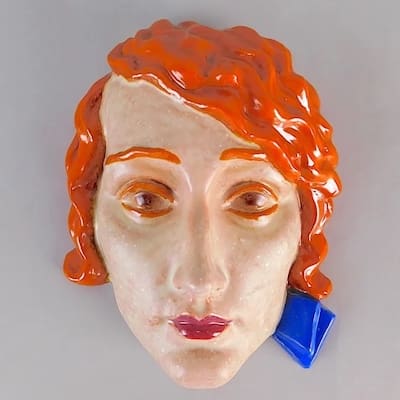
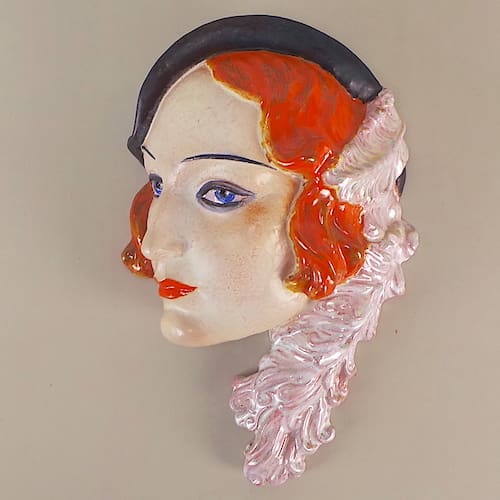
Podany, Rudolf (1876 – 1963)
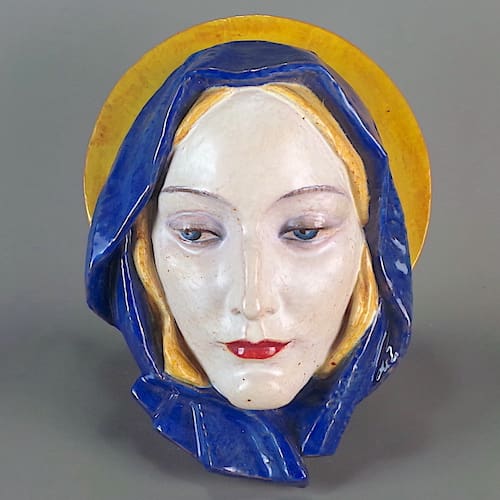
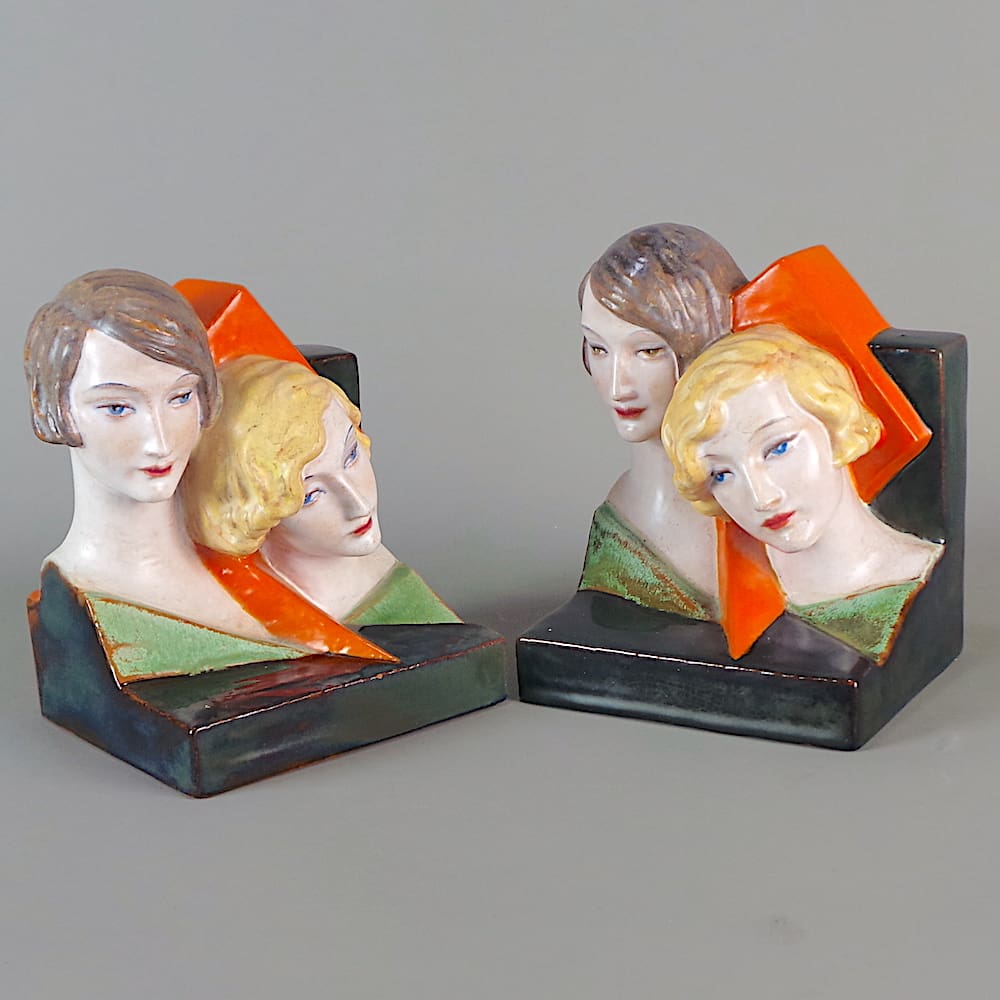
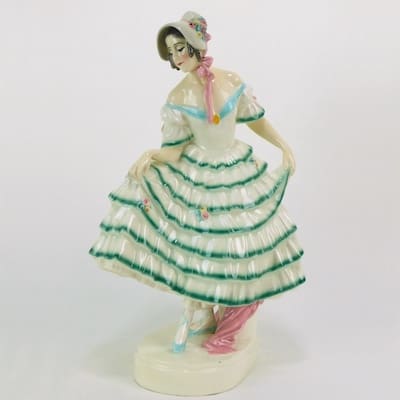
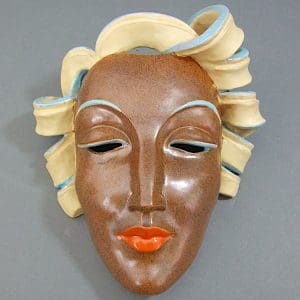
Austrian art deco ceramics artist (ceramist) who produced ceramic statues and wall masks.
Podany worked with Goldscheider as a freelance designer. Did many wall mask designs for Keramos Wiener Kunsteramik und Porzelanufaktur company in which he was a partner.
In his wall mask series many of the models were designed as Hollywood movie stars such as – Marlene Dietrich and Greta Garbo.
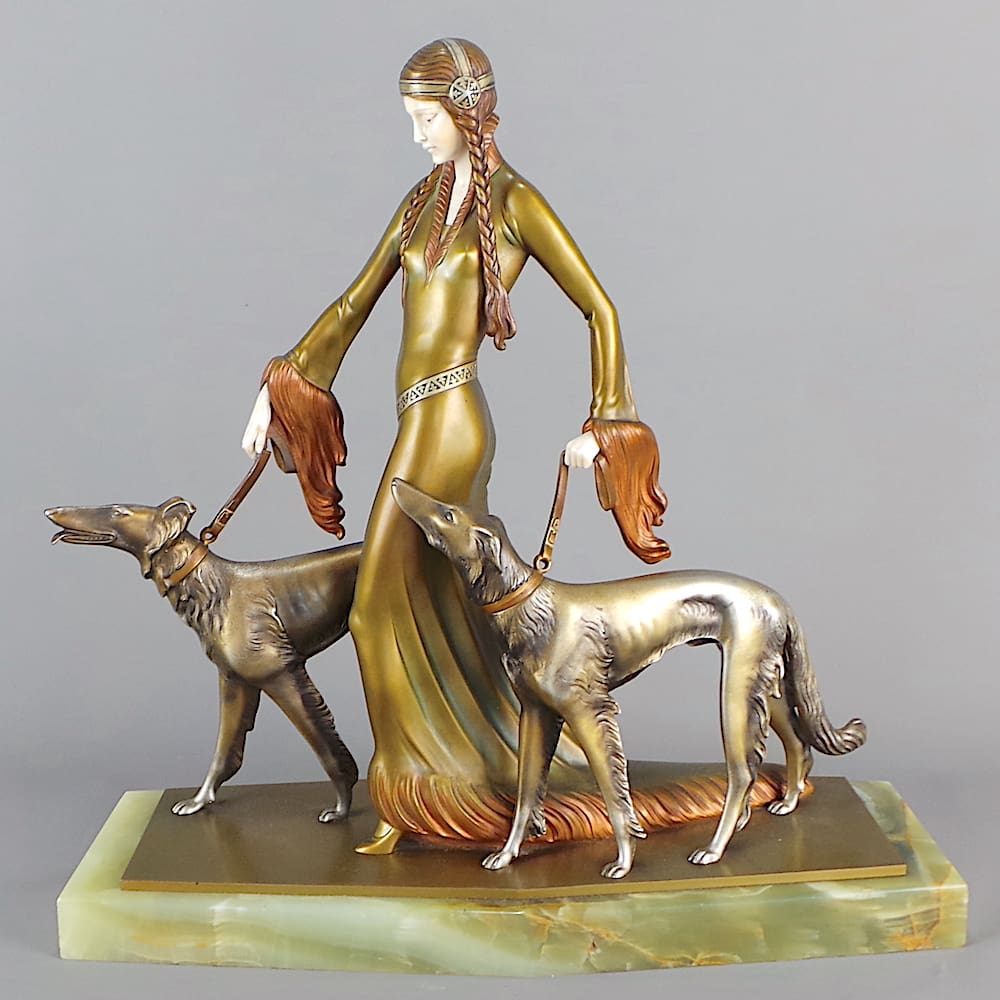
Poertzel, Herman Hugo Otto (1876 – 1963)
German sculptural artist also signed his name Poertzl. Son of a porcelain designer, Otto also did a 3 year course in porcelain design. Afterwards, he studied at the Art Academy in Munich under Prof. E. Kurz and Adolf von Hildebrandt.
He participated in numerous international art exhibitions, e.g. St. Louis World’s Fair (1904) and the International Art Exhibition in Brussels (1910).
He worked between 1910-1930 and produced many of the larger monuments and some of his earlier works can be found in the German Royal Courts, and a few were purchased by the King of Bulgaria. He specialised in female busts (during 1920’s and 1930’s Poertzel was making busts of the aristocracy in Europe).
Poertzel and Ferdinand Preiss shared a studio in Berlin and at one time it was thought that the two were the same person as their work is very similar, and often confused. An honorary title of Professor was bestowed upon him by German State. His most famous pieces are – The Aristocrats,Snake charmer and Columbine and Harlequin. He worked in bronze, bronze and ivory and ceramics.
He died in 1963.
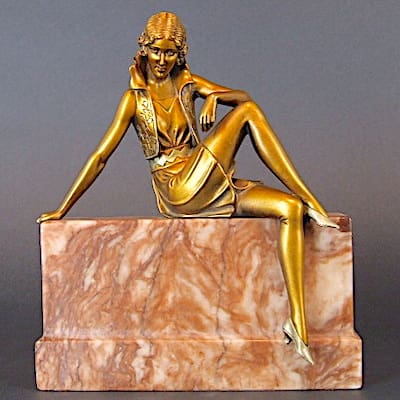
Preiss, Ferdinand (1882 – 1943)
Johann Philipp Ferdinand Preiss was born in Erbach (Oderwald) in Germany on the 13th of February 1882. His father owned and ran the local Preiss Hotel, while his mother came from a traditional ivory carving family.
When Ferdinand was fifteen years old his father died, the Hotel was sold, and the six children dispersed among relatives and friends. Ferdinand Preiss moved in with the family of Philipp Willmann (1846 – 1910), a master ivory carver and teacher with whom he went through a thorough apprenticeship, emerging as one of the finest ivory carvers of his generation, and he remained in Willmann’s studio until Easter 1901.
His movements over the next few years are unknown, but by 1905 he appears to have been working for Carl Haebler in Baden-Baden after a period in Milan; AT the Haebler works he met a number of young carvers from Erbach. One co-worker, Arthur Kassler himself a Berliner went into partnership with him and they moved to Berlin, where they opened a small workshop in which they worked as turners and carvers in ivory. The firm was called Preiss and Kassler.
In 1907 Preiss married Margartehe Emma Clara Hilme.
In 1910 the firm took on two new carvers. Louis Kuchler and Ludwig Walther and the firm’s name was shortened to PK.
The earliest compositional figure by Preiss is a statuette of Phryne carved from three different woods in his son’s collection. His early designs were classically inspired Grecian figures certainly part of the tradition received from Willmann, but also part of the taste for copies from the Antique which were then very popular.
Phryne reappeared in bronze and ivory with an onyx or marble base in the company of Aphrodite, Iphigenia, Pomona and others. Another early design was a figure of Carmen. These early figures had the bronze section of the figure cast at the Akt Ges Gladenbeck in Berlin.
Robert Kionsek from the Gladdenbeck foundry joined PK and firm gradually expanded, having about half a dozen workers when war broke out in 1914. When the firm restarted in 1920 after the war, Preiss designed a wide variety of figures; exquisitely graceful ivory nudes, bronze and ivory bathers, dancers, couples children and historical figures.
Preiss figures are the epitome of grace and elegance, the faces pretty, but with character; the costumes colourful but restrained. His series of Olympians have often been equated with the Nazi ideal by the ignorant. In fact these men and women playing tennis, throwing a javelin, holding an oar, playing golf are just health, outdoors types all date from the nineteen-twenties years before Hitler acquired any power.
The Olympic Games that inspired most of these were in France where the Salons had separate and very active sections dealing with the Art of Sport. Preiss most loyal following was in England, and he showed his appreciation by carving a figure of the young Queen Elizabeth (now Elizabeth II).
His skill at ivory carving is exemplified in his figure of St. George and the Dragon as well as in his ivory nudes.
Preiss died in 1943 of a brain tumour. The PK firm did not survive.
“Johann Philipp Ferdinand Preiss, based in Berlin was the most prolific sculptor of the art deco period in Germany. He combined Ivory, Bronze, Onyx and Marble to create the most dazzling sculptures of his day, accurately reflecting the times. No one in his period surpassed him in the art of ivory carving.” A quote from the book Ferdinand Preiss; Art Deco Sculptor, The Fire and the Flame by Alberto Shayo.
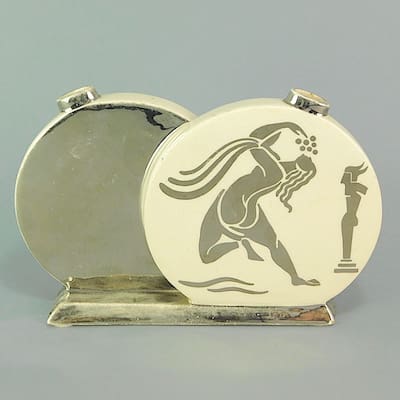
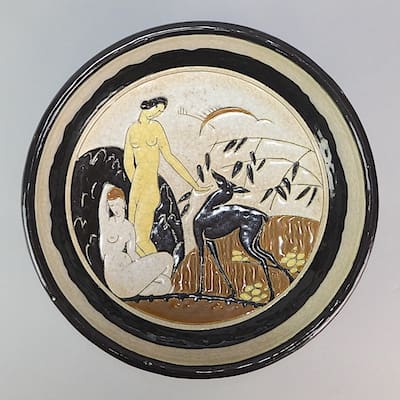
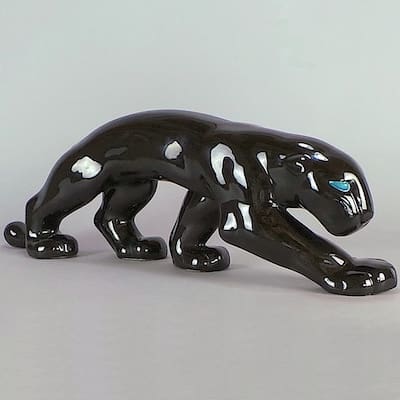
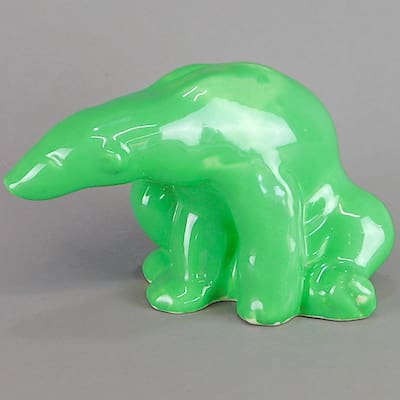
Primavera
Primavera was the design studio of the Parisian department store Printemps.
It was established in 1912 by Rene Guillere and his wife Charlotte. The lavish displays seen in Printemps and in several other ‘Grands Magasins’ in Paris at the time, were driven by the need to capitalise on the growing public interest in contemporary design.
Guillere was an Arts Administrator and President of the Society of Artists/Decorators. His wife was a furniture designer. He was the perfect choice to develop this new business. He sourced artists from all over France to discover new talent.
He commissioned established designers to create a range of objects for the discerning interior, from Furniture and Bronzes to Ceramics and Glass. Lallemant, Adnet, Marcel Guillemard and Colette Gueden were among those who produced work for the studio. Objects were produced at factories such as Saint Radegonde and Longwy.
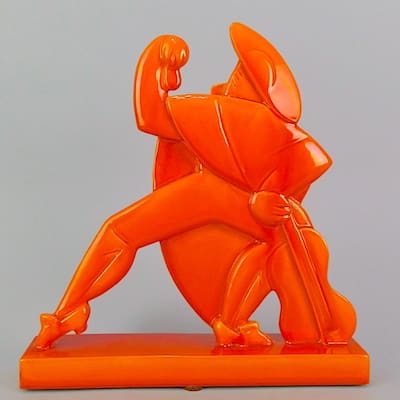
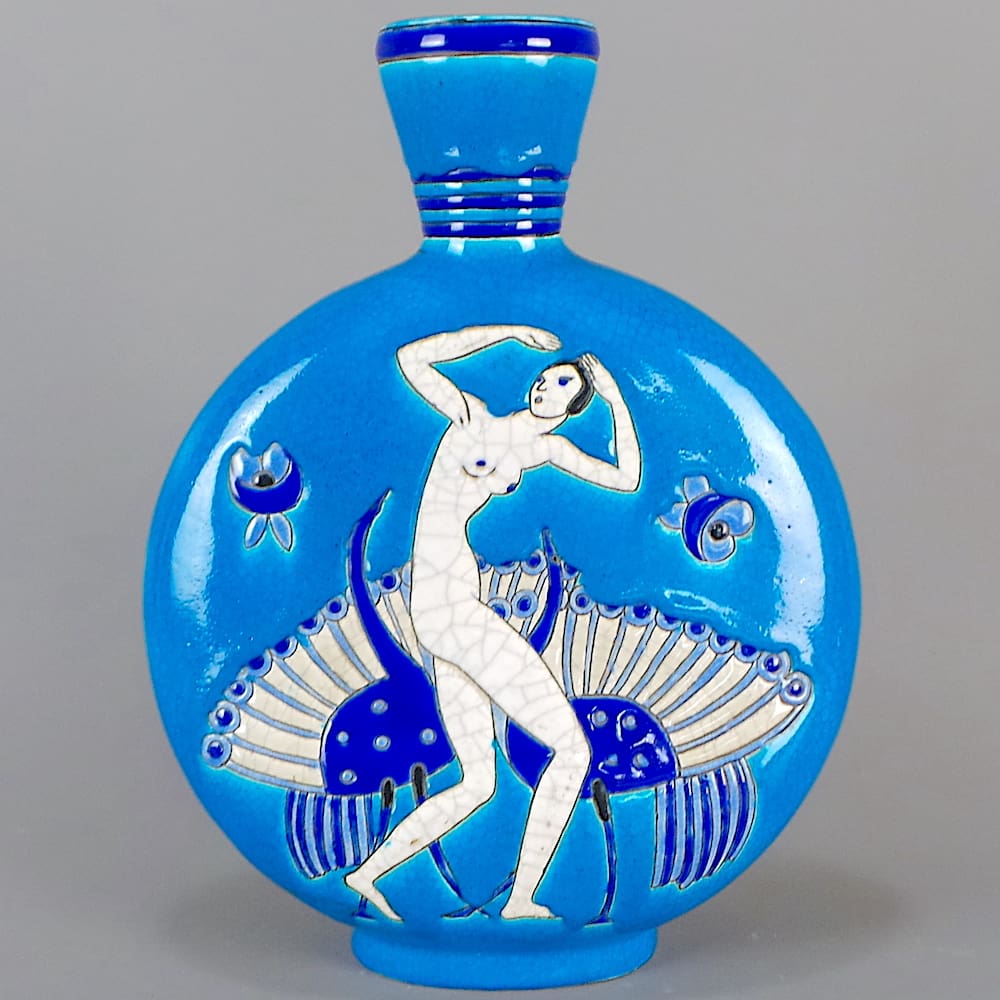
Prischl, Adolf (1912 – 1970)
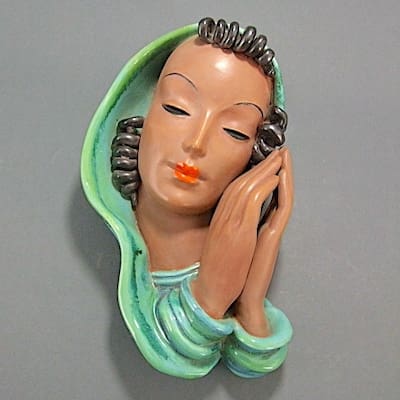
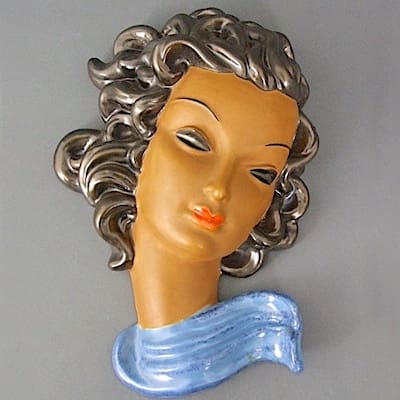
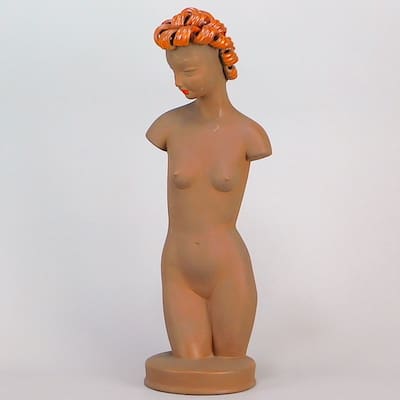
Austrian Sculptor and ceramist. After training at the Viennese Kunstgewerbeschule under Robert Obsieger, he made models for Goldscheider and Keramos Wiener Kunstkeramik as a freelance sculptor. From 1943 to 1946 he was employed by Keramos. After passing his masters exams he establishes his own workshop in Vienna in1947.
Privat
Gilbert Privat born in Toulouse France in 1892. Sculpture of many Monuments in France. Exhibited figures at the Salon des Artistes since 1921. Won the Prix de Rome in 1921.
Prost, Maurice (1894 – 1967)
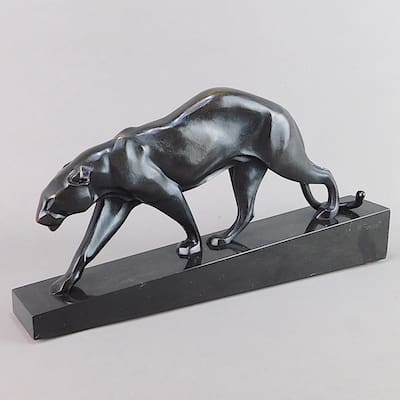
Born in Paris, an extremely talented artist and sculptor, he specialised in animal figures and groups. Studied under the sculptor Leopold Maurice.
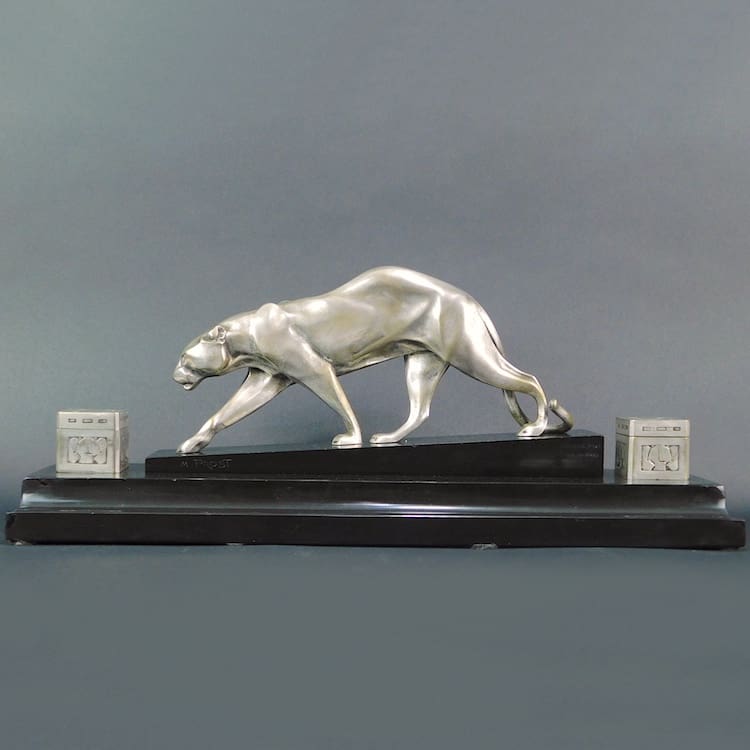
An amazing man who lost his arm in the first month of the First World War when he was shot and gangrene set in and consequently lost his arm. Previously he had been a jewellery engraver. He did not let his disability effect his work. Most of his work was carried out between 1919 – 1945.
Opened his own workshop in 1920 and the following year exhibited at most of the famous Paris salons. In 1926 he started working on monuments around France and he exhibited at Salon des Artistes Francais, and was awarded the Legion d’Honneur in 1933.
Throughout his life he won many medals of honour which included in 1947 Vermeil Medal of the City of Paris (Arts Sciences Lettres). In 1957 He was made an officer of the Legion of Honour under Arts. In 1963 – Gold medal Exhibition of French Artists and in 1966 Medal of Honour at the Salon de automne.